
Beneath the Behaviour: Understanding the Roots of Porn Addiction
Porn addiction is less about sex and more about coping with difficult emotions such as anxiety, depression, anger, loneliness and low self-esteem. Lasting recovery involves looking beneath the behaviour, understanding the pain it soothes, and developing healthier, more sustainable ways to regulate emotions.
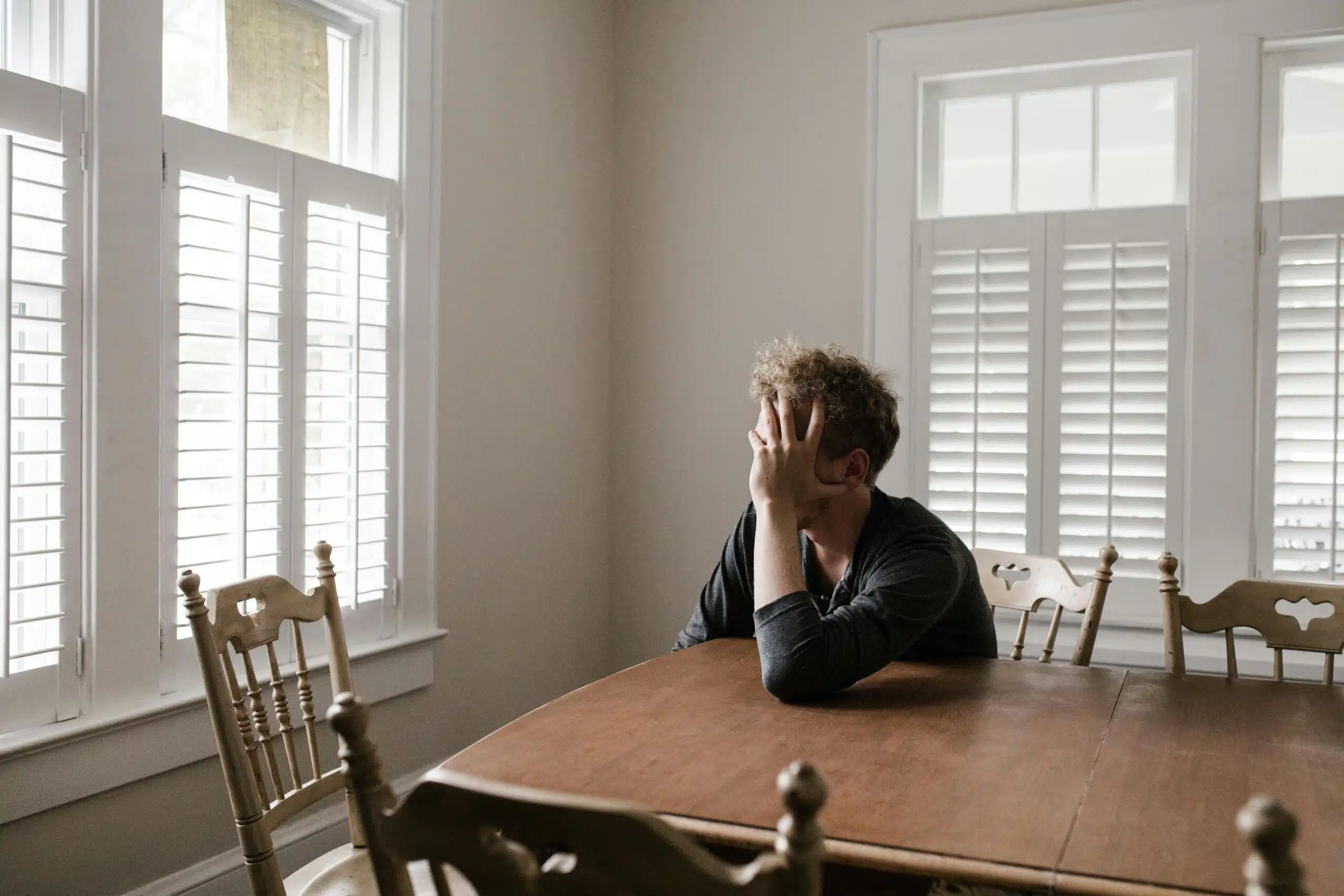
When we talk about Compulsive Sexual Behaviour Disorder (CSBD) – commonly known as sex or porn addiction – it’s easy to focus solely on the behaviour itself. But behaviours rarely exist in isolation. More often, they are responses. Attempts to cope. Ways of managing something that feels unmanageable.
At its core, compulsive sexual behaviour is usually driven by a desire – conscious or unconscious – to escape painful emotional states. Like many compulsive behaviours or addictive substances, sex and pornography can function as an anaesthetic. They dull distressing thoughts and feelings. At least, in the beginning.
Over time, however, what once provided relief becomes something else. Acting out is no longer just about numbing pain; it becomes the way you regulate your inner world. Eventually, it may not even feel like a choice. It’s simply what you do to feel steady, or even just to feel normal.
Numbing isn’t the problem, dependence is
It’s important to say this clearly: wanting relief from difficult emotions is deeply human. We all seek comfort. We scroll on our phones in waiting rooms, or we unwind with a TV series after a long week. All of us look for ways to soothe ourselves.
There is nothing inherently wrong with using sex, partnered or solo, as part of that. The difficulty arises when one behaviour becomes the only effective strategy for emotional regulation.
Repeatedly turning to the same coping mechanism strengthens the association between emotion and action. For example, if pornography becomes your primary way of managing anxiety, anxiety itself eventually becomes the trigger. Even a subtle shift in mood, or the anticipation of stress, can spark the craving, and the response becomes automatic.
Some people struggle to recognise this emotional link. They may say, “I’m not numbing anything,” or “I don’t feel particularly distressed.” But numbness can mask awareness because when the anaesthetic is already in place, it’s hard to identify what’s being dulled.
In fact, one of the most common reasons for relapse is the re-emergence of emotions once the behaviour stops. The laid-back person becomes irritable. The relentlessly positive person feels unexpectedly low. When the coping mechanism is removed, long-suppressed feelings tend to resurface.
Five common emotions beneath compulsive sexual behaviour
While every individual’s story is unique, there are recurring emotional themes that frequently sit beneath compulsive sexual behaviour: anxiety, depression, anger, loneliness, and low self-esteem.
Anxiety
Anxiety isn’t just nervousness – it can be a constant undercurrent of fear and self-doubt. A persistent internal monologue asking: “What if I’ve got this wrong? What if I fail? What if I’m not enough?”
It affects the body as well as the mind: racing heart, tight chest, restlessness, sleeplessness. In more intense forms, people experience panic attacks that feel overwhelming and frightening.
In that state, it makes sense to reach for something that quickly alters how you feel. Pornography and sexual stimulation can offer rapid distraction and temporary calm. For a while, they quiet the noise.
Depression
If anxiety says, “what if”, depression often says, “if only.” It can feel like a heavy fog – marked by regret, hopelessness, and emotional flatness. Motivation drops, energy fades, and even basic self-care can feel like too much effort.
Many people describe boredom as a primary trigger for acting out. But often, what’s labelled as boredom is something deeper – emptiness, disconnection, or futility. It’s unlikely someone repeatedly engages in behaviour that harms them and their relationships simply because they have nothing to do. More often, they are trying to feel something in the midst of emotional deadness.
Anger
Anger is complex and varied. It can be explosive and visible, or quiet and simmering. It might appear as irritation, resentment, passive-aggressive comments, or chronic frustration.
For some, anger feels dangerous, and this can be especially true if they grew up around uncontrolled rage or were taught that anger is unacceptable. These individuals may become highly conflict-avoidant, overly accommodating, the perpetual “nice” person. Yet suppressed anger does not disappear and it often finds another outlet.
Whether expressed too freely or not at all, unresolved anger frequently drives compulsive behaviour – either as an escape from confrontation or as a way to discharge internal tension.
Loneliness
Loneliness is not simply about being alone. It can exist in crowded rooms, committed relationships, and busy social lives. It’s the feeling of being unseen, unwanted, unimportant, or emotionally disconnected.
When loneliness surfaces, acting out may serve two purposes: to numb the ache of isolation or to create a fleeting sense of connection. Feeling desired, even briefly, can temporarily counteract the pain of feeling invisible or like you don’t belong.
Low self-esteem
Low self-esteem goes deeper than a lack of confidence. Confidence relates to what we do; self-esteem relates to how we see ourselves. When self-esteem is low, there is often a persistent sense of inadequacy or worthlessness.
This emotional state tends to seep into every domain of life – work, relationships, friendships, hobbies. It also interacts with the other emotions we’ve explored. Low self-esteem can fuel anxiety about mistakes, hypersensitivity to criticism (and therefore anger), withdrawal (and therefore loneliness), and depressive thinking.
Compulsive sexual behaviour may temporarily soothe this by offering validation, distraction, or a sense of control, but the relief rarely lasts.
The vicious cycle
One of the cruellest aspects of addiction is its cyclical nature. The emotions that drive the behaviour are often intensified by the behaviour itself.
Anxiety grows as secrecy increases. Depression deepens after repeated failed attempts to stop. Anger may turn outward in blame or inward in self-criticism. Shame reinforces loneliness and erodes self-esteem, whispering, “if people really knew me, they would reject me.”
You act out because you feel bad, and you feel worse because you act out.
Breaking that cycle requires more than willpower.
Recovery means addressing the pain
Stopping the behaviour, while important, is not the same as healing. If the anaesthetic is removed without tending to the wound beneath it, the pain will still feel overwhelming.
True recovery involves curiosity about what the behaviour has been trying to manage. It asks not only “how do I stop?” but “what has been hurting?”
As Gabor Maté famously said, rather than asking what causes the addiction, we ask what causes the pain.
That question shifts the focus from judgement to understanding. From shame to compassion. And it’s often where meaningful, lasting recovery begins.
Need support?
If you’re starting to question your porn-use and feel like you might be struggling with compulsive behaviours, why not take our “Am I an Addict” questionnaire.
For those that know they need support now, take a look at our suite of online support programmes.